
Guides for
specifiers.
Short guides written from the standard and the specification, for architects, contractors and facility managers. All 23 are listed here, in six groups.
Choosing and sizing
Matching a door closer or floor spring to door weight, width and traffic.
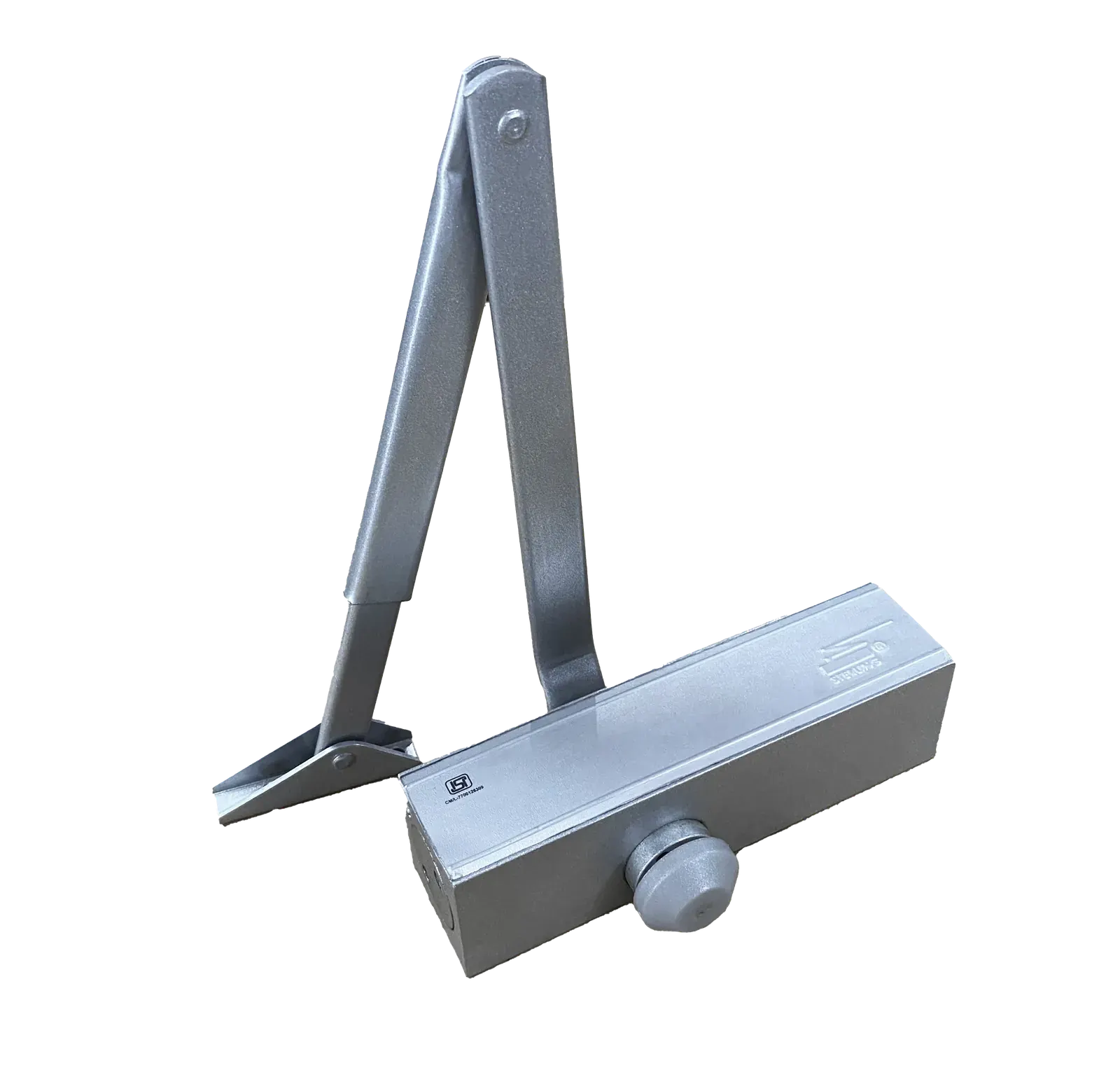
Covers 5 measurements
How to measure a door before choosing a closer
Most wrong closers are ordered off a guess at the door. Five measurements remove the guesswork, and none of them need special tools.
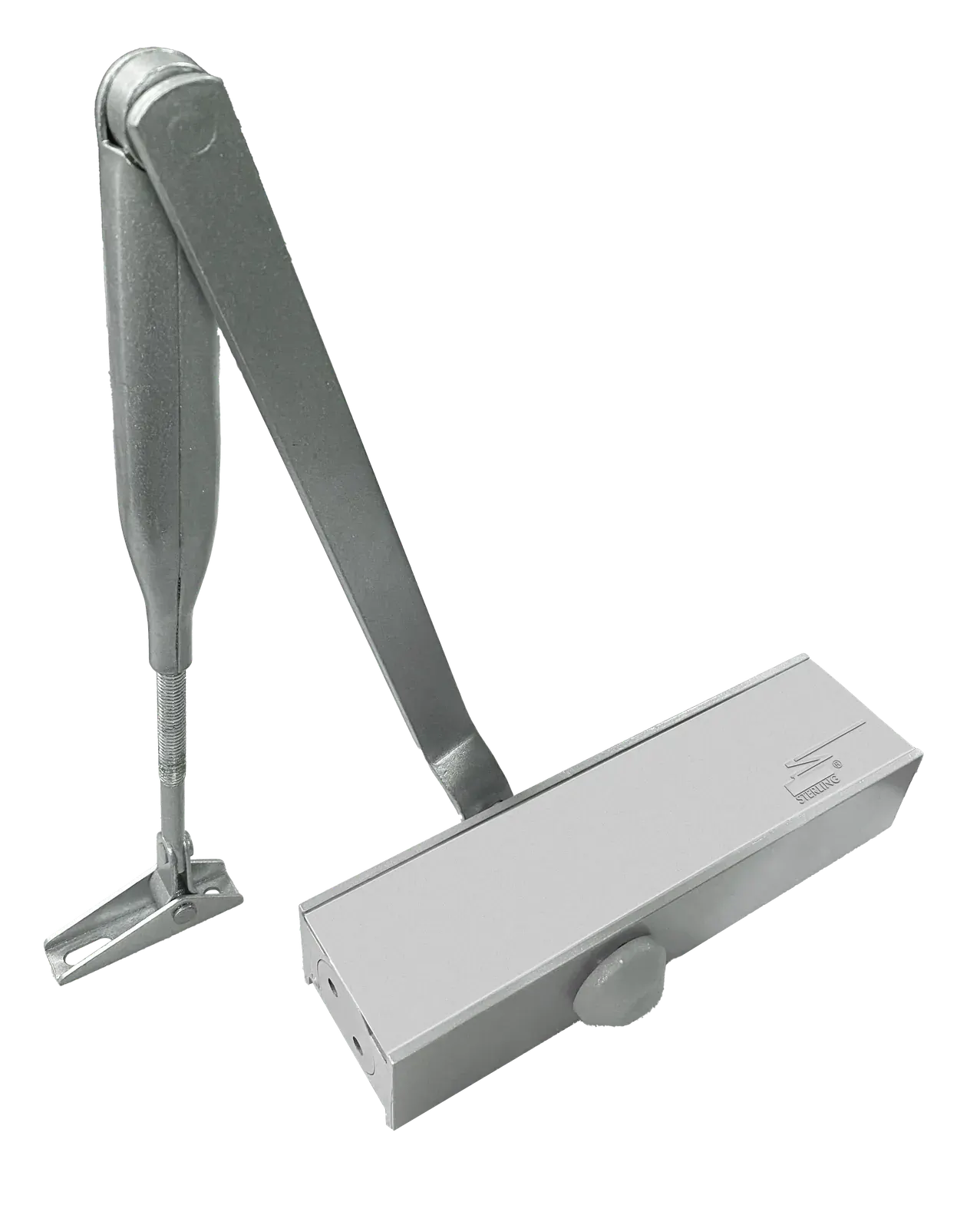
Covers EN 1 to EN 7
What size door closer do I need? EN sizes explained
Every door closer is sized against two numbers: how wide the door leaf is and how much it weighs. The EN power size scale puts both on one axis.
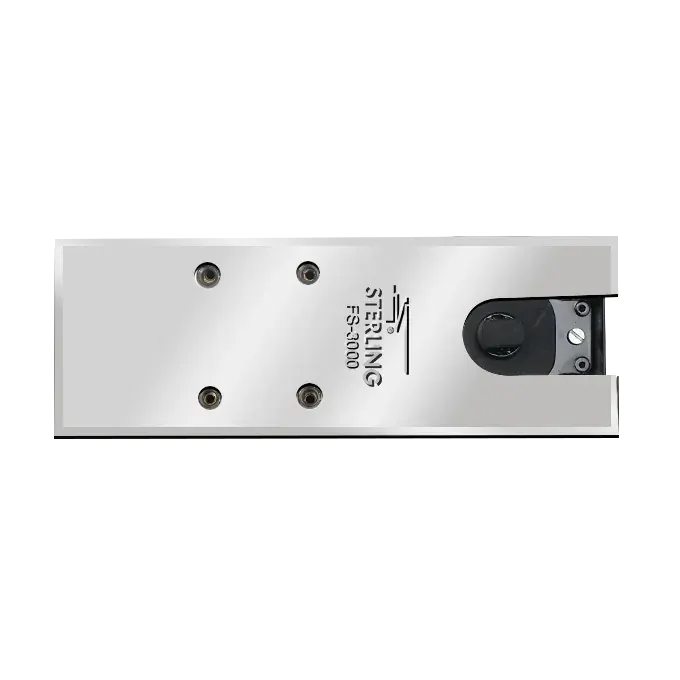
Covers 60 to 120 kg
Floor spring or door closer? How to choose between them
Both control how a door closes, but they solve different problems. The deciding factors are usually the door material, the weight and whether anything can be seen.
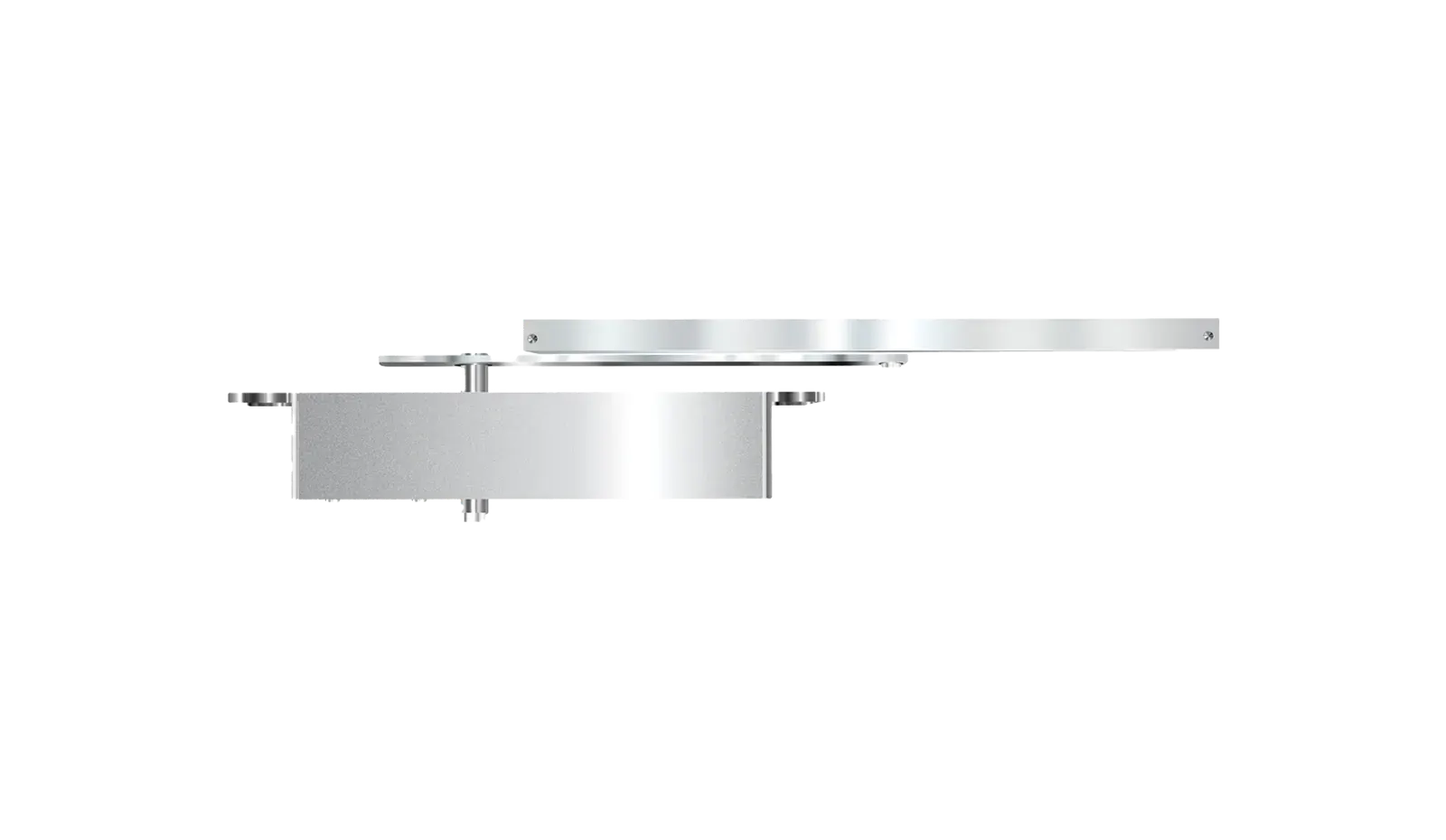
Covers 32 and 38 mm
Surface-mounted vs concealed door closers
The mechanism is much the same. What changes is where it lives, and that affects installation, servicing and what the finished door looks like.
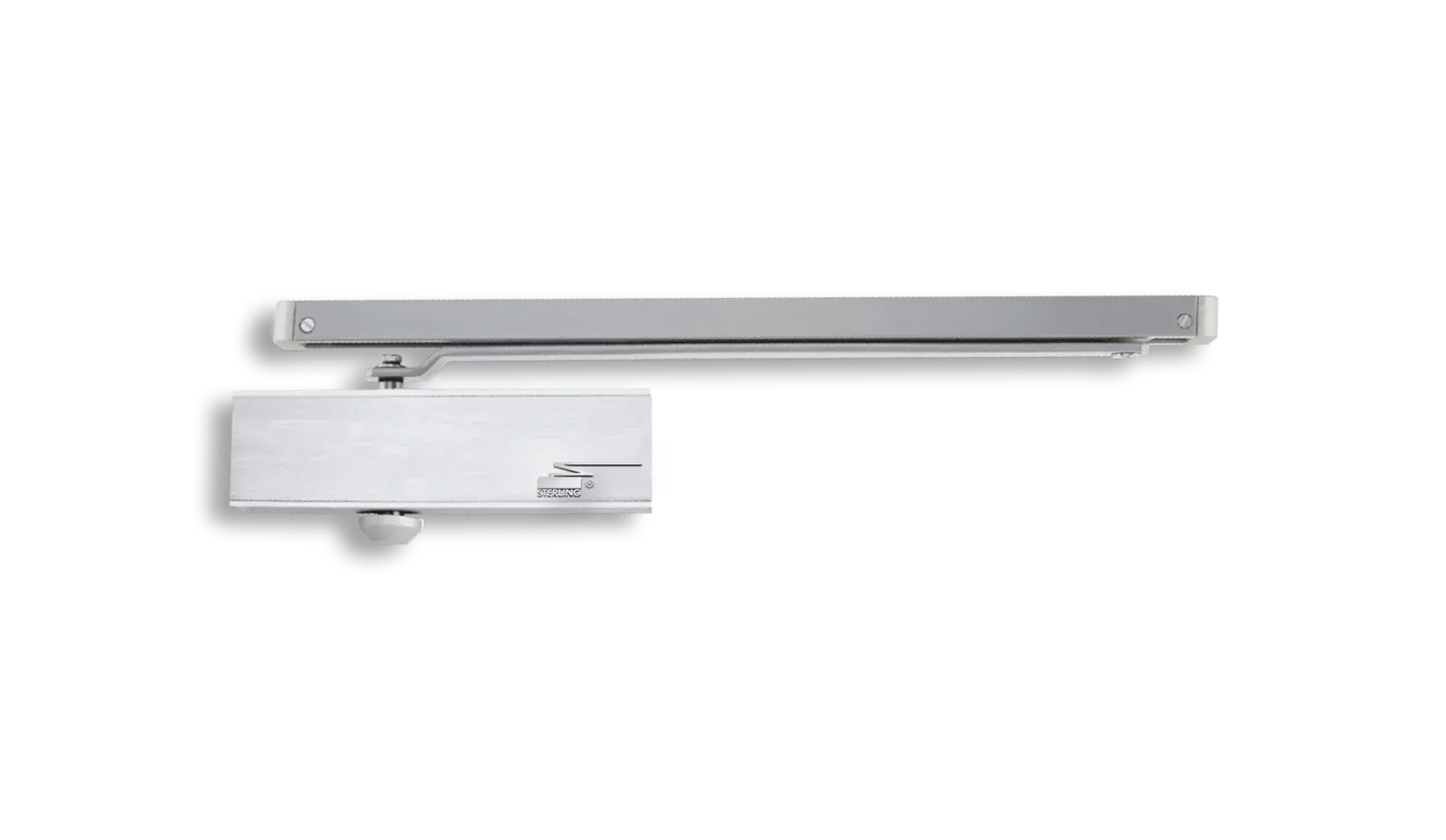
Covers up to 120 kg
Sterling door closers and floor springs, model by model
The published weight, width, EN size, hold-open and marking for each of the ten Sterling door closers and floor springs, with the DC 2000 and DC 2600 compared.
Standards and certification
EN power sizes, IS 3564, BIS/ISI marking and what cycle testing means.
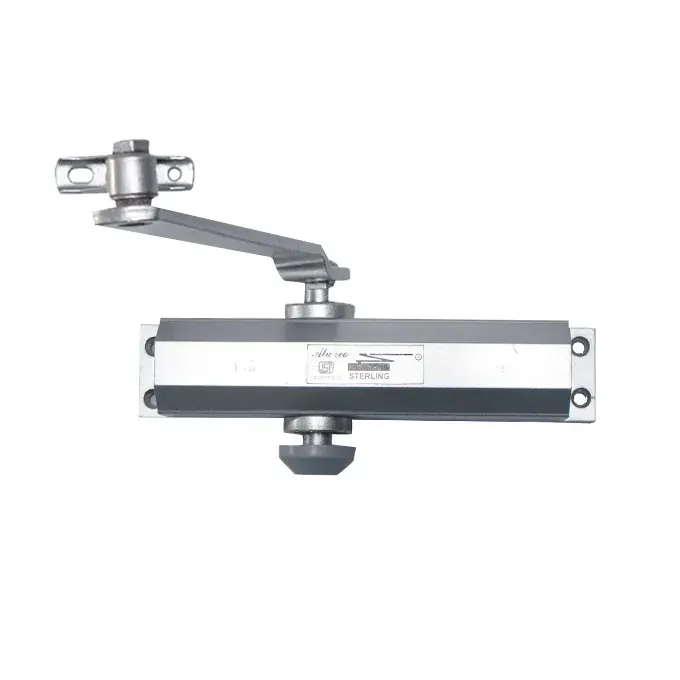
Covers IS 3564:1995
ISI marking and IS 3564 explained for door closers
ISI, BIS, IS 3564, ISO 9001 and cycle testing get used almost interchangeably in product listings. They certify quite different things.
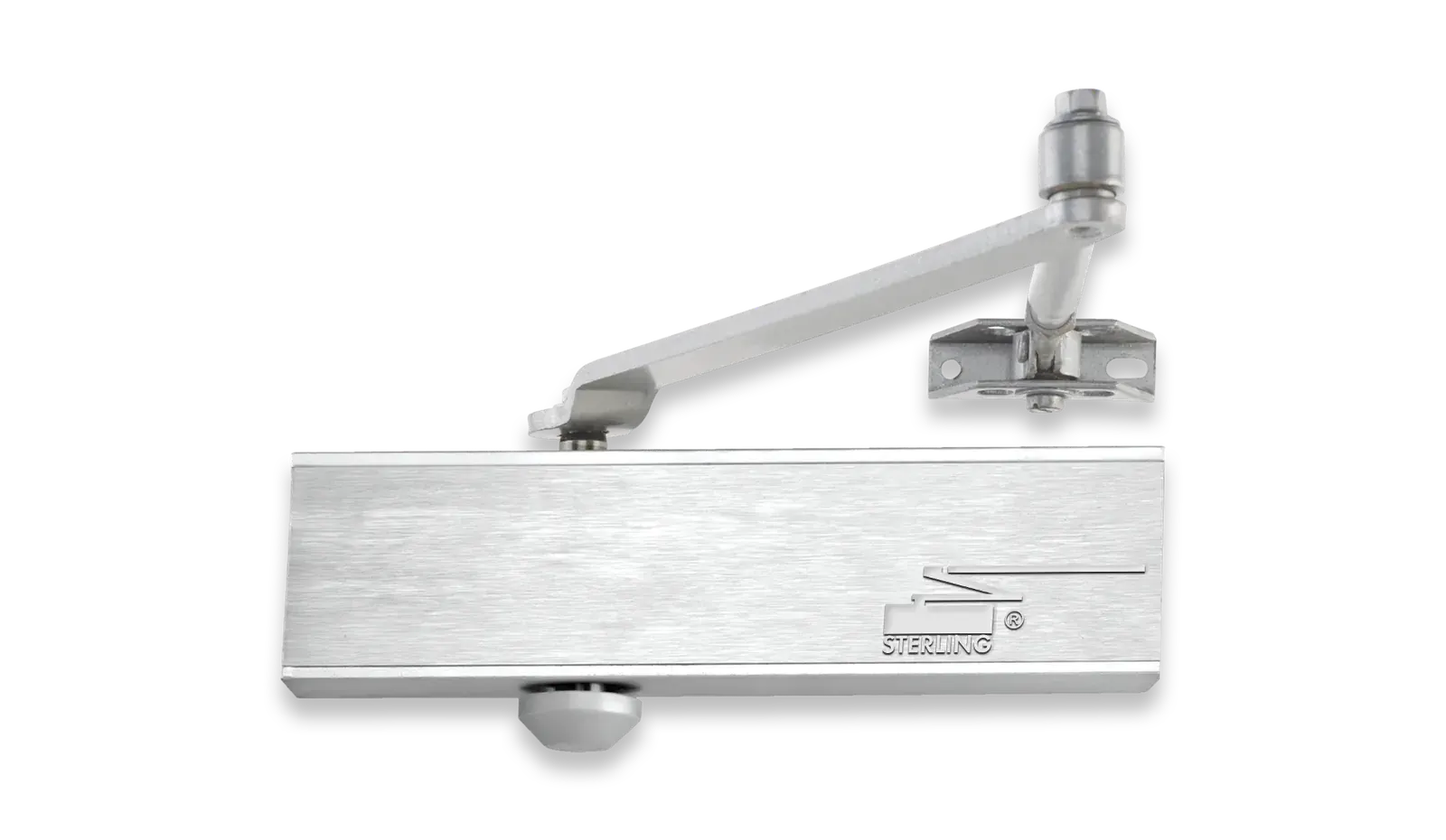
Covers 6-digit code
EN 1154 explained: the door closer classification code
A door closer classified to EN 1154 carries a six-digit code, and the power size most people quote is only the third digit. Here is what the other five say, and how the published Sterling data maps onto them.
Covers 2 BIS licences
How to verify a BIS licence (CM/L) number before you buy
How to check a CM/L number against BIS records, the five things to compare, and which Sterling models each of its two licences covers.
Installation and adjustment
Mounting options, and setting closing and latching speed correctly.
Covers 7 mistakes
Seven door closer installation mistakes to avoid
A closer fitted to the wrong fixing, on the wrong side, or set to the wrong force will fail long before its cycle rating says it should.
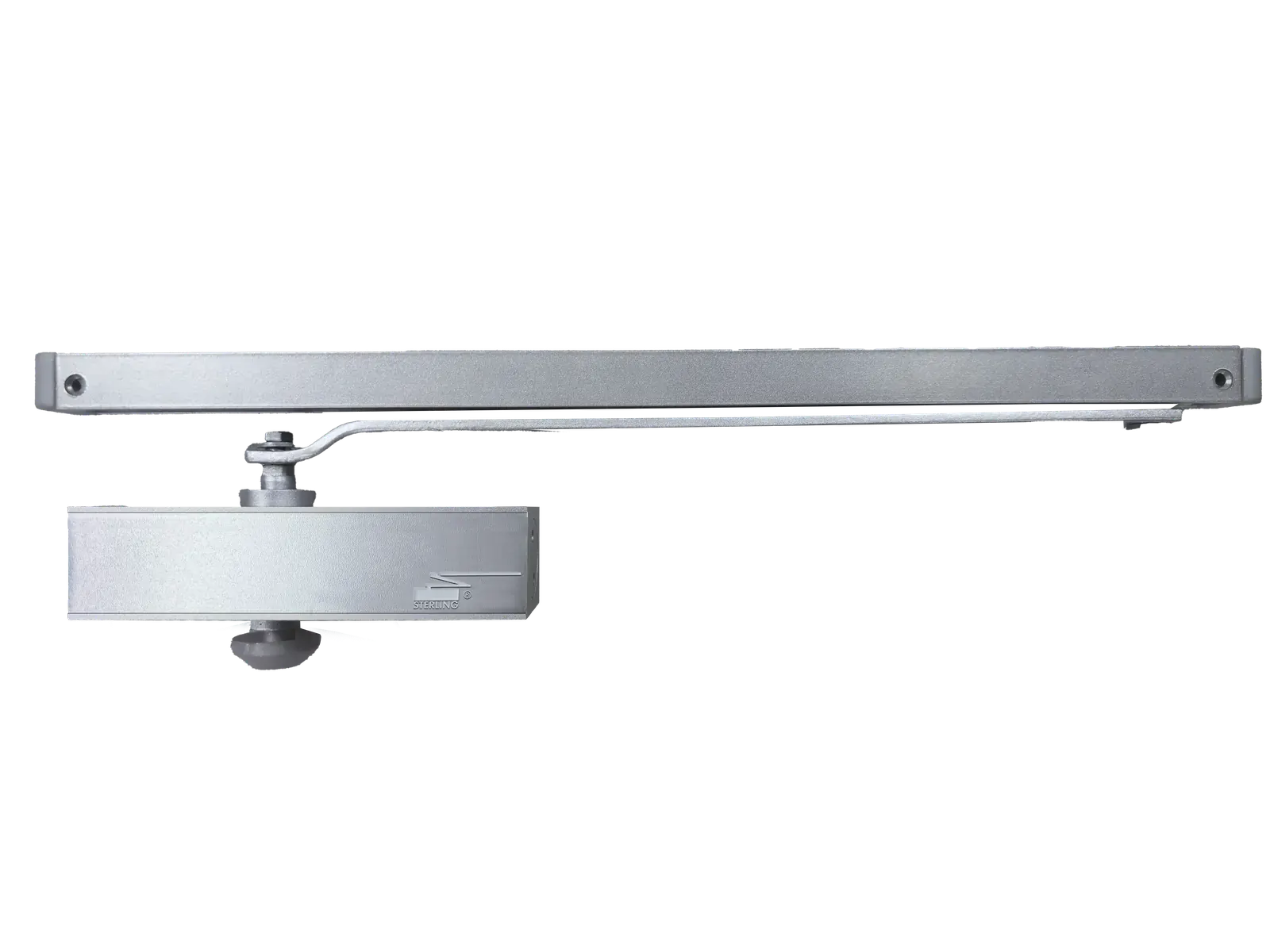
Covers 2 valves
How to adjust a door closer: speed and latching
Most doors that slam or fail to latch do not need a new closer. They need a quarter turn on the right valve.
Covers DC 2700 and DC 2800
How to install a concealed door closer: door preparation
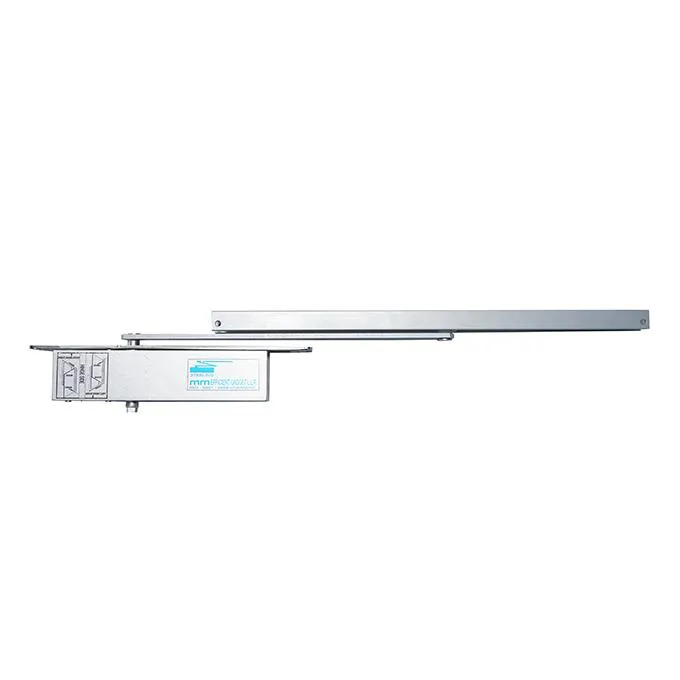
A concealed closer sits inside the leaf, so the door decides whether it can be fitted at all. What to check before the pocket is cut, how to cut it, and how to fit and commission the DC 2700 and DC 2800.
Covers FS 1000 and FS 3000
How to adjust a floor spring: speed, latching and alignment
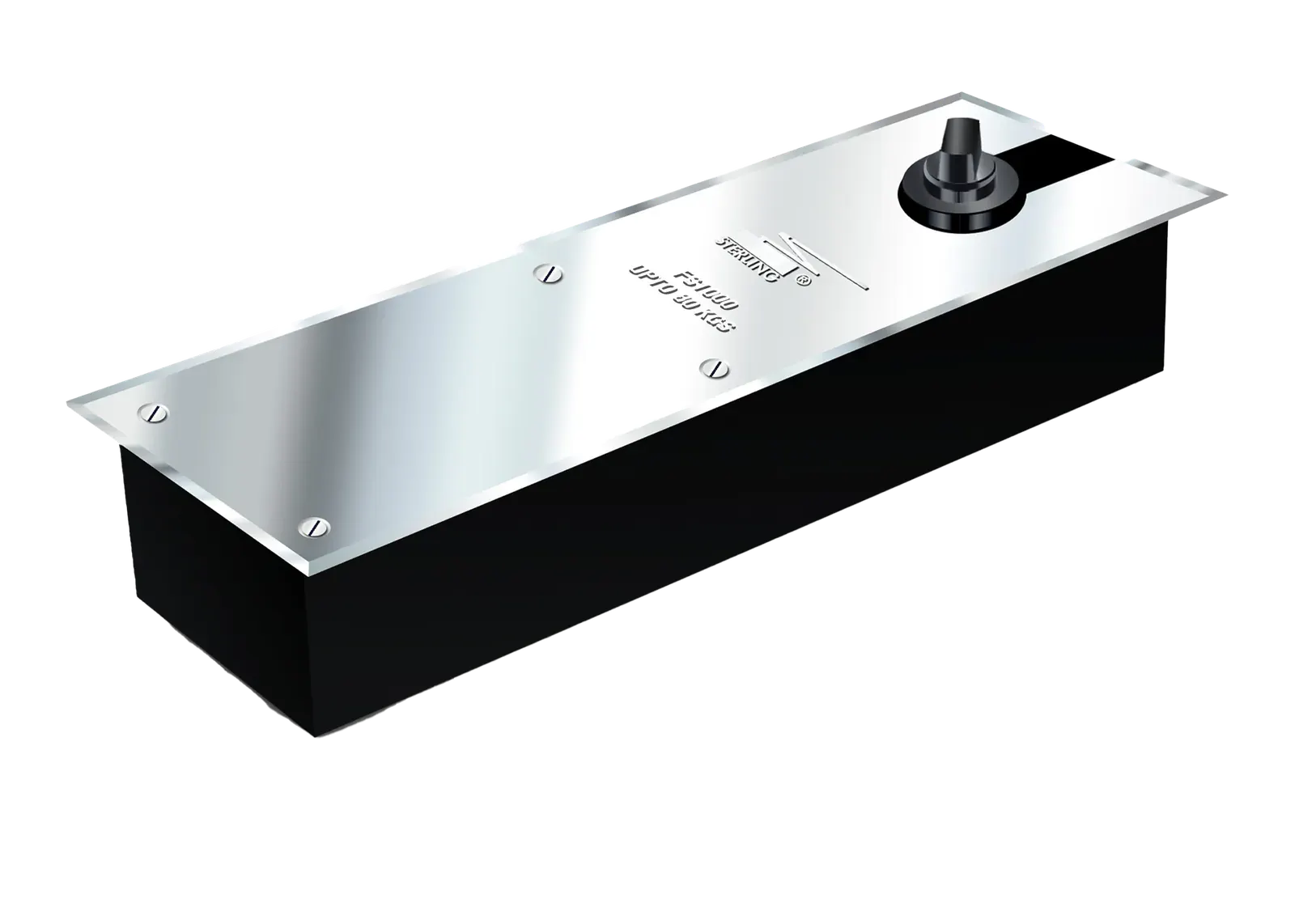
This guide explains what the two speed valves, the 90 degree hold open and the three alignment adjustments inside the box each do, and the order to work through them when a door slams or will not close.
Troubleshooting and maintenance
Diagnosing a closer that slams, drifts, leaks or fails to latch.
Covers 5,00,000 cycles
How long does a door closer last?
The honest answer is that it depends entirely on how often the door moves, which is why closers are rated in cycles rather than years.
Covers 5 symptoms
Door closer problems: slamming, leaking, not latching
Most reported closer faults are one of five symptoms. Only one of them genuinely needs a new unit.
Covers 8 checks
Door closer maintenance checklist for facility managers
Most closer faults can be caught in five minutes at the door, if someone is looking. A door register, a short table of checks and a record per visit turn complaints into scheduled work.
Buying and specifying
What drives cost, what to ask a supplier, and how to compare quotes.
Covers up to 100 kg
What affects door closer price in India?
Door closers span a wide price range, and most of the difference is explainable. Here is what actually sits behind the number on a quote.
Covers DC 2000 and FS 3000
How to write a door closer specification clause
A clause that names only a model number is easy to substitute and hard to check. These are the fields that make it enforceable, with a worked clause for a door closer and one for a floor spring.
Covers 10 columns
Preparing a door schedule for a door closer quote
A quote is only as good as the schedule behind it. Ten columns per door give a supplier what it needs to size each leaf, match a model to it and return a quote you can compare line by line.
Applications by building type
What suits glass shopfronts, hotels, hospitals, offices and homes.
Covers 12 and 15 mm glass
Hardware for frameless glass doors
A glass shopfront door has no frame and no leaf to fix into, which rules out most door hardware before you start. This is what is left.
Covers EN 3-4 and EN 4-5
Specifying door closers for high-traffic entrances
On a busy entrance, durability and opening force stop being footnotes and become the specification.
Covers EN 1-2 to EN 4-5
Door closers for aluminium doors: what to check first
An aluminium door gives a closer less to fix to than a timber one. Check the section width, the fixing, the leaf mass and the mounting position before a model is chosen.
Covers 10 to 90 degrees
Hold-open door closers: when to specify and where not to
On Sterling door closers hold-open is a separate order code. Which doors benefit from a hold-open closer or floor spring, which must self-close every time, and what to check before it goes in the schedule.
Covers DC 1500 to DC 2900
Door closers for homes in India: main door or internal door
A main door and a bedroom door ask different things of a closer: the main door is often heavier and wider, while a bedroom door is lighter, used all day and pushed by children and older parents. Size each for what it is.